
Abortion Pills In Southern Africa: What You Need To Know
What Are They?
Medically Approved Tablets!
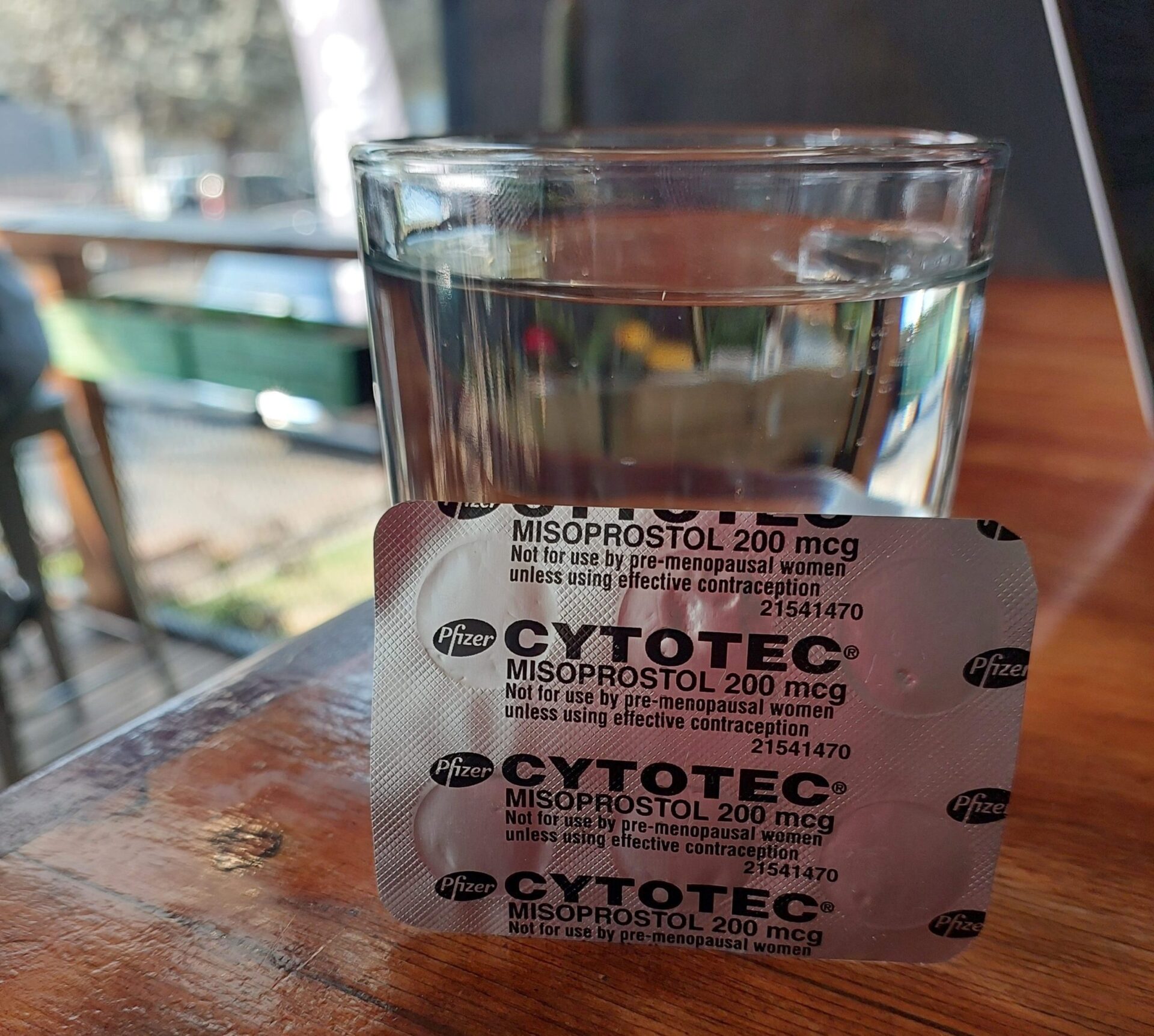
Abortion pills refer to a combination of 2 prescription medications used to end an early pregnancy safely.
According to the World Health Organization, abortion pills in Southern Africa are considered safe and are used by millions of women worldwide.
Key Points
- Abortion pills are effective in ending an early pregnancy.
- Understanding eligibility and correct use is very important.
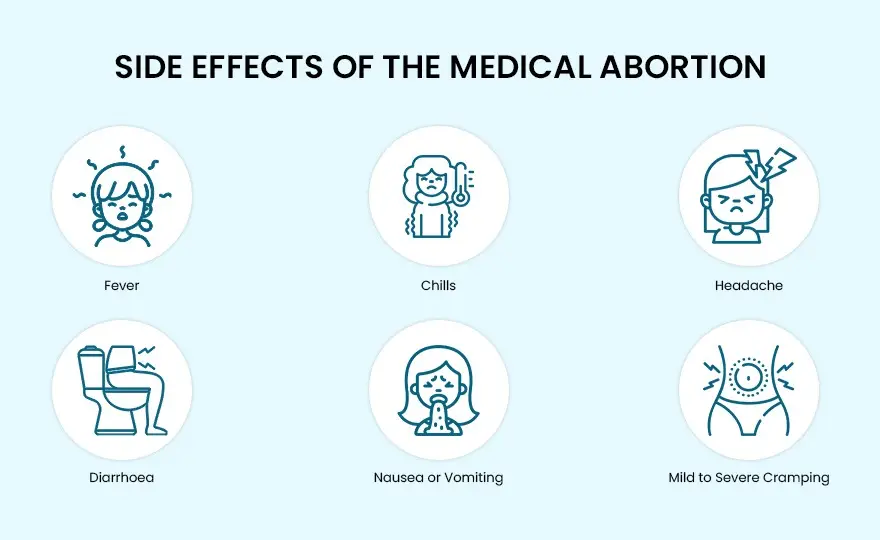
- Expected side effects include nausea, cramping, bleeding.
- They can be used at home under medical guidance.
- Follow-up is recommended to confirm the abortion is complete.
How Do Abortion Pills Work?
Abortion pills work by blocking progesterone, a hormone naturally produced by the body to sustain a pregnancy. A few hours later, the uterus contracts and expels the pregnancy, similar to a miscarriage.
1. Mifepristone: This pill blocks progesterone. Without progesterone, the lining of the uterus breaks down, the embryo detaches from the uterine wall, and the pregnancy stops growing.
2. Misoprostol: Taken 24–48 hours later, it causes the uterus to soften, contract, and expel the pregnancy tissue, similar to a miscarriage.
In cases where mifepristone is not available, healthcare providers may use misoprostol alone to complete the process.
How Effective Are The Abortion Pills?
Abortion pills are highly effective in ending an early pregnancy up to 98 percent of the time when taken within the first 10–12 weeks.
Effectiveness by Gestational Age
- Up to 8 Weeks: Abortion pills are about 94–98% effective when used at 8 weeks pregnant or less.
- 8–9 Weeks: Abortion pills are about 94–96% effective when used between 8 and 9 weeks of pregnancy.
- 9–10 Weeks: Abortion pills are about 91–93% effective when used between 9 and 10 weeks of pregnancy.
- 10–12 Weeks: Abortion pills are about 87–90% effective when used between 10 and 12 weeks of pregnancy.
Note: Taking additional doses of misoprostol during the later weeks of pregnancy may increase effectiveness, but individual outcomes vary and medical guidance is important.
How to Use Abortion Pills
- Mifepristone: It is swallowed orally with water.
- Misoprostol: It can be used vaginally, between your cheeks and gums (buccally), and under your tongue (sublingually).
All three methods of taking misoprostol are equally effective, according to a 2019 Cochrane review.
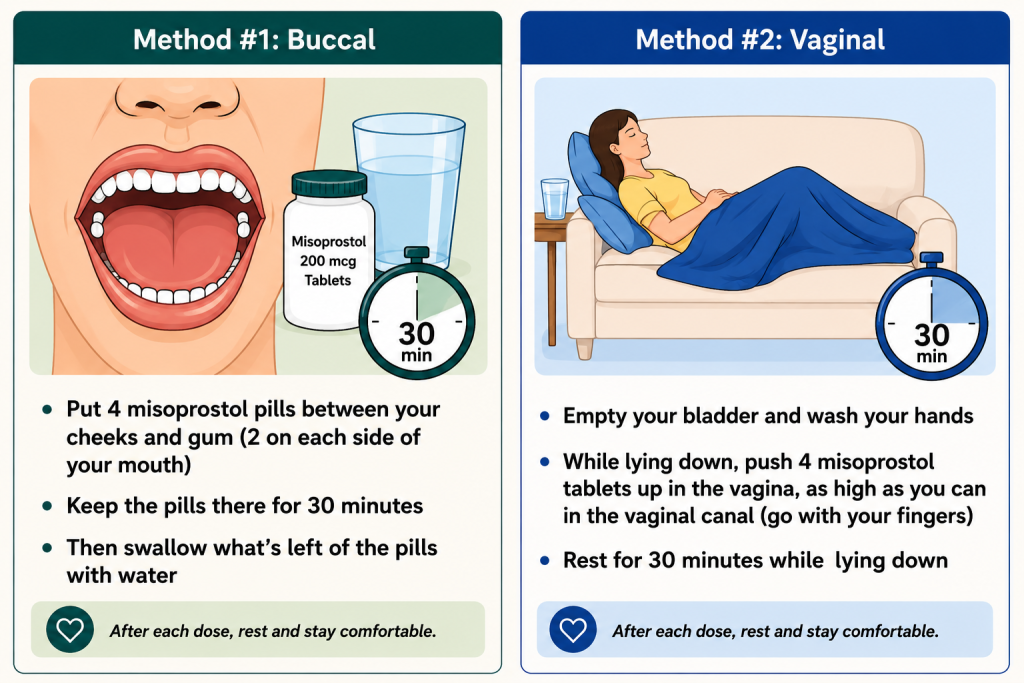
How long to wait between doses, can vary depending on how many weeks pregnant you are and whether both medicines are used. So it is important to follow guidance from a qualified healthcare provider.
Learn More: How to Use Abortion Pills Safely ....
Who Is Eligible to Use Abortion Pills?
Your eligibility to use abortion pills depends on how many weeks pregnant you are and your overall medical health history.
Key Eligibility Criteria
1. Gestational Age: According to the Royal College of Obstetricians and Gynaecologists (RCOG), eligibility for medical abortion is assessed according to pregnancy duration and individual medical circumstances.
2. Legal Eligibility: In many countries, people of any age can legally access abortion services without parental consent, but the law varies by country. Always check the regulations where you live.
Who Can't Use Abortion Pills?
You are not eligible to use abortion pills if you have any of the following health conditions:
• Allergies: Known allergy to mifepristone or misoprostol.
• Ectopic Pregnancy: A pregnancy growing outside the uterus.
• Medications: Long-term use of steroid or corticosteroid medicines.
• Blood Conditions: Severe anemia or blood clotting disorders.
• IUD Present: An intrauterine device (IUD) must be removed before taking abortion pills.
What to Expect After Taking Abortion Pills
After taking the second abortion tablet, you should expect to experience cramping and heavy vaginal bleeding as your body expels the pregnancy tissue.
According to the American College of Obstetricians and Gynecologists, these symptoms are a normal part of the medication abortion process.
Managing Symptoms
1. Nausea and Fatigue: Nausea, vomiting, diarrhea, and tiredness are common temporary side effects that usually disappear on their own.
Managing Symptoms: If recommended by your healthcare provider, take anti-nausea medication before using misoprostol.
2. Cramping: Strong cramping is normal as the uterus contracts to pass the pregnancy. The cramps are often strongest while the pregnancy is being expelled.
Managing Symptoms: Use a hot water bottle or heating pad on your lower abdomen to help ease the pain.
3. Bleeding: Heavy bleeding with clots is expected for several hours while the pregnancy is being expelled.
Managing Symptoms: Use sanitary pads instead of tampons so you can monitor the amount of bleeding during the process.
Most people recover well after using abortion pills without any complications, and usually return to normal daily activities within a few days.
If you'd like detailed advice on caring for yourself, read our guide on: How to Ensure a Smooth Recovery After Using Abortion Pills ↗
How Long Does the Process Take?
The entire abortion pill process typically takes 2 to 3 days from the time you take the first medication until the pregnancy tissue passes, though lighter bleeding and recovery can continue for a few weeks.
Abortion Pill Timeline
| Stage | Typical timing |
|---|---|
| After mifepristone | Usually no bleeding |
| After misoprostol | Expect cramping and bleeding |
| Heavy bleeding | Lasts several hours |
| Lighter bleeding | Lasts several days to a week |
| Pregnancy symptoms | Improve within 1–2 weeks |
What if Nothing Happens?
In cases where the pregnancy does not fully pass (an incomplete abortion), an abortion provider will typically resolve this by administering a top-up dose of medication or performing a surgical abortion procedure.
Do Abortion Pills Affect Future Fertility?
Taking the abortion pill does not affect future fertility, and you can usually get pregnant again as soon as two weeks after the process. Millions of people use medication safely without any long-term risks to their overall health or future pregnancies.
How Fertility Works After the Pill
Quick return: Ovulation can start again almost immediately, sometimes before your next period arrives.
Safe for future families: Having a medication abortion does not raise your risk of future birth defects, miscarriages, or trouble getting pregnant.
When to Seek Urgent Medical Care

- Severe pain: Pain that does not improve with medication, rest, or heat.
- Heavy bleeding: Soaking through two thick, large pads in one hour for two consecutive hours.
- Fever: A temperature of 38°C (100.4°F) or higher.
How to Access Abortion Pills in Southern Africa
Access to abortion pills varies across Southern Africa since availability, legal requirements, differ by country, so it is important to consult a licensed healthcare provider familiar with local regulations.
- If you are under 10 weeks pregnant, you can access medical abortion pills free of charge at designated public hospitals and clinics.
- Accredited providers such as Carlton Women's Clinic offer confidential in-clinic care and medical abortion support.
In countries such as Namibia, Botswana, Lesotho, Eswatini, and Zambia, abortion services are more restricted, and abortion may be permitted only under specific legal or medical circumstances.
To access pills safely, individuals often seek guidance from reputable telemedicine abortion providers that offer online consultations with qualified healthcare professionals.
Critical Safety Red Flags
- Avoid Unverified Sources: Never buy abortion pills online from unverified social media sellers or illegal street vendors.
- Suspicious Pricing: Be cautious of prices that seem unusually low or unusually high.
How Much Do Abortion Pills Cost?
Abortion pill costs in Southern Africa vary widely between countries, public hospitals, private clinics, and telemedicine providers. Fees may include consultation, medication, ultrasound, laboratory tests, and follow-up care.
In South Africa, abortion pills are available free of charge at desiginated public government clinics. Private abortion providers may charge anywhere from R600 to R4,600 (ZAR), depending, the stage of pregnancy, and whether care is provided in person or through telemedicine.
In Botswana, Eswatini, Lesotho, Namibia, Zambia, and Zimbabwe, abortion pill prices vary, and exact prices are not publicly available. However Abortion care may be accessible via verfied telemedicine abortion platforms.
Learn More: Abortion Pill Cost in Southern Africa ....
Get Confidential Support Today!
For more information or telemedicine support in Southern Africa, MediLink Southern Africa provides private, respectful, and compassionate support for people seeking medication abortion care.
Your privacy is important to us. All conversations are handled confidentially by qualified healthcare professionals, and you are welcome to ask questions before making any healthcare decisions.
Get In Touch!
We provide personalized, confidential information about abortion pills and telemedicine abortion guidance across Southern Africa.
Contact us by phone or WhatsApp message:- +27 78 575 4967